
How to Prepare for a Formula 1 Betting Weekend
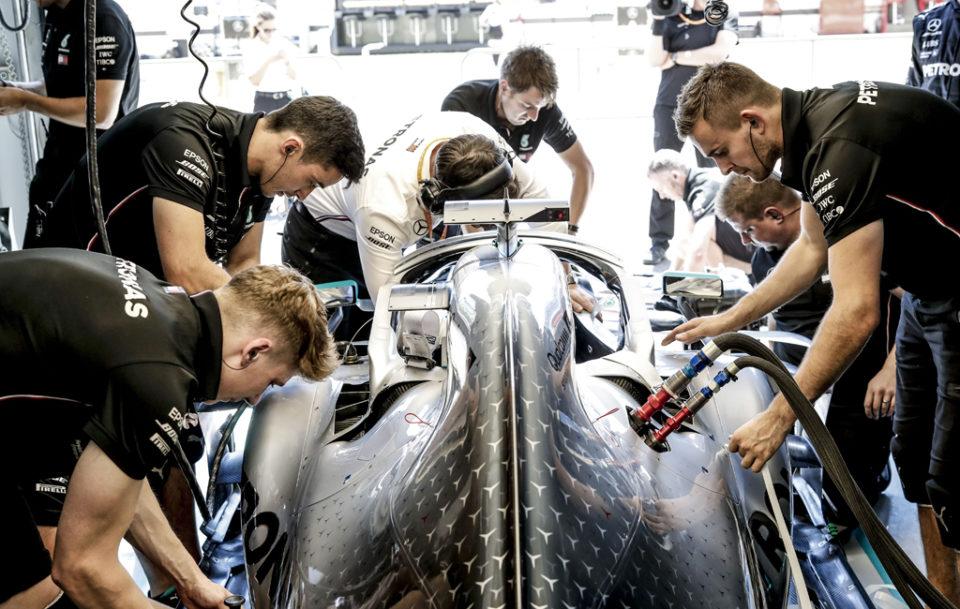
Formula 1 is unlike most other sports because the race itself is only one part of the weekend. Practice sessions, qualifying and changing weather conditions all provide valuable information before the lights go out on Sunday. The bookmakers’ platforms get ready for popular events to provide features like vippari running as smooth and fast as those sports cars on the track.
Many motorsport bettors begin their preparation well before race day by following practice times, qualifying results and team updates. During that process, resources such as race schedules, timing data and championship standings may be open as part of a broader race weekend routine. Looking at the entire event rather than focusing only on the Grand Prix often creates a much clearer understanding of the available betting markets.
The strongest Formula 1 analysis usually develops over several days instead of a single afternoon.
Don't Skip the Practice Sessions
Free Practice often receives less attention than qualifying or the race itself, yet it provides some of the most useful information of the weekend.
Teams test different fuel loads, tyre compounds and setup changes while drivers gradually become more comfortable with the circuit.
Although lap times should never be viewed in isolation, practice sessions often reveal which teams appear confident before qualifying begins.
Watching trends across all practice sessions is usually more informative than focusing on one fastest lap.
Qualifying Changes Everything
Starting position plays a major role in modern Formula 1.
Some circuits offer plenty of overtaking opportunities, while others make track position extremely valuable.
Before analysing race markets, consider how qualifying results influence the likely race strategy.
Pole position is important, but the entire starting grid often tells a much bigger story.
Race Strategy Matters as Much as Speed
The fastest car does not always win.
Tyre management, pit-stop timing and changing weather conditions regularly influence the final result.
Before race day, it helps to compare:
- qualifying performance;
- tyre strategy;
- recent race pace;
- circuit characteristics;
- weather forecast;
- team reliability.
These factors often explain why teams approach the same race in completely different ways.
|
Area to Compare |
Why It Matters |
|
Practice sessions |
Reveal early performance trends |
|
Qualifying |
Determines starting position |
|
Tyre strategy |
Influences race pace and pit stops |
|
Weather |
Can completely change race conditions |
|
Team reliability |
Reduces the chance of unexpected problems |
No single factor guarantees success over a race weekend. Formula 1 rewards teams that consistently make the right decisions across every session, not just on Sunday afternoon.
Looking at these elements together creates a much more balanced view of the race weekend than relying on qualifying results alone. Teams constantly adapt their plans as new information becomes available, whether through practice sessions, weather forecasts or tyre performance. Following those developments step by step helps explain why expectations sometimes change before the race even begins and why preparation often continues until the lights go out.
Learn the Characteristics of Each Circuit
Every Formula 1 circuit creates different challenges.
Some tracks reward outright speed, while others place greater importance on tyre conservation or technical cornering.
Understanding the nature of each venue helps explain why one team may perform strongly at one Grand Prix but struggle at the next.
Looking at previous races on similar circuits can often provide useful context before the weekend begins.
Treat the Weekend as One Complete Event
The most successful Formula 1 preparation rarely focuses on one session alone.
Practice, qualifying, weather forecasts, race strategy and circuit characteristics all contribute to the bigger picture.
As you follow more race weekends, you'll naturally begin connecting these elements instead of analysing them separately. Building that habit makes Formula 1 easier to understand and helps every betting decision feel more informed long before the race gets underway.